Reliable Power of Emergency Switches for Safer Industrial and Commercial Systems
Safety is a critical priority in industrial, commercial, and public environments. One of the most essential safety components used to protect people, equipment, and operations is Emergency switches. Designed to provide immediate shutdown or control during hazardous situations, Emergency switches play a vital role in preventing accidents, reducing damage, and ensuring regulatory compliance.
From manufacturing plants and fuel stations to elevators and public facilities, Emergency switches are a dependable solution for fast and effective emergency response.
What Are Emergency Switches?
Emergency switches are safety devices designed to immediately stop machinery, electrical circuits, or processes during emergency situations. They are typically activated manually and are highly visible, easy to access, and simple to operate under stress.
Emergency switches are commonly installed in areas where quick shutdown is required to prevent injury, fire, or equipment damage.
Why Emergency Switches Are Important
Immediate Hazard Control
Emergency switches allow operators to instantly cut power or halt operations when dangerous conditions arise.
Worker and Public Safety
By stopping equipment or electrical systems quickly, Emergency switches help protect employees and the general public from harm.
Regulatory Compliance
Many safety regulations require the installation of Emergency switches in industrial and commercial facilities.
How Emergency Switches Work
Emergency switches operate through a simple yet effective mechanism. When the switch is pressed, pulled, or turned, it interrupts the electrical or control circuit, immediately stopping the connected system.
Most Emergency switches are designed with a latching mechanism, meaning they remain in the activated position until manually reset, ensuring the system does not restart unintentionally.
Key Features of Emergency Switches
High-quality Emergency switches are engineered for reliability and ease of use, featuring:
-
Highly visible colors such as red with a yellow background
-
Large, easy-to-activate designs
-
Durable construction for harsh environments
-
Latching and reset mechanisms
-
Compatibility with control and safety systems
These features ensure Emergency switches function effectively during critical moments.
Applications of Emergency Switches
Industrial Machinery
Emergency switches are installed on manufacturing equipment to quickly stop machines during malfunctions or operator danger.
Fuel Stations and Energy Facilities
Used to shut down pumps, compressors, or power systems during fires or fuel leaks.
Elevators and Escalators
Emergency switches provide immediate control in public transport and building systems.
Commercial and Public Buildings
Installed in malls, schools, hospitals, and offices to enhance overall safety.
Benefits of Using Emergency Switches
Emergency switches offer numerous advantages, including:
-
Fast and reliable emergency response
-
Reduced risk of injury and damage
-
Simple operation under pressure
-
Improved workplace safety culture
-
Long-lasting and low-maintenance design
These benefits make Emergency switches an essential safety investment.
Types of Emergency Switches
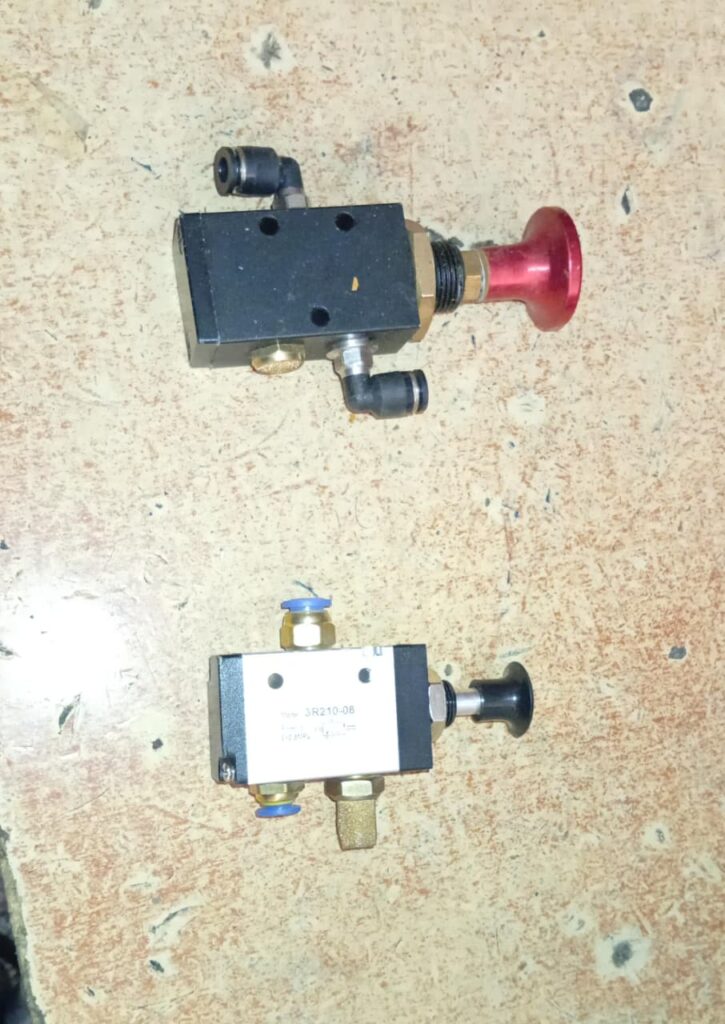
Push Button Emergency Switches
The most common type, activated by pressing a large button.
Pull Cord Emergency Switches
Used along conveyor systems for easy access across long distances.
Key-Operated Emergency Switches
Requires a key to reset, ensuring authorized control.
Rotary Emergency Switches
Activated by turning the switch to a stop position.
Installation and Best Practices
Proper installation of Emergency switches is critical for effectiveness. They should be placed in easily accessible and visible locations near hazardous equipment.
Clear signage, routine testing, and employee training ensure Emergency switches perform reliably when needed most.
Maintenance and Reliability
Although Emergency switches are built for durability, regular inspection is recommended. Testing ensures the switch activates correctly, latches properly, and resets safely.
Routine maintenance helps extend the lifespan of Emergency switches and maintains compliance with safety standards.
Frequently Asked Questions (FAQs)
What are Emergency switches used for?
Emergency switches are used to immediately stop machines, electrical systems, or processes during emergency situations.
Are Emergency switches mandatory in industrial facilities?
Yes. Many safety regulations require Emergency switches in areas with hazardous machinery or processes.
Do Emergency switches work without power?
Emergency switches interrupt power or control circuits and do not require additional power to function.
How often should Emergency switches be tested?
Regular testing is recommended, typically during routine safety inspections or monthly checks.
Can Emergency switches be used outdoors?
Yes. Weather-resistant Emergency switches are available for outdoor and harsh environments.
Conclusion
Emergency switches represent a reliable and powerful safety solution for modern industrial and commercial environments. Their ability to provide immediate control during emergencies helps prevent injuries, protect equipment, and ensure regulatory compliance.
By installing high-quality Emergency switches and maintaining them properly, organizations can create safer workplaces and respond effectively when it matters most.



Reviews
There are no reviews yet.