
Reliable Power of the Emergency Valve for Safer Industrial Flow Control
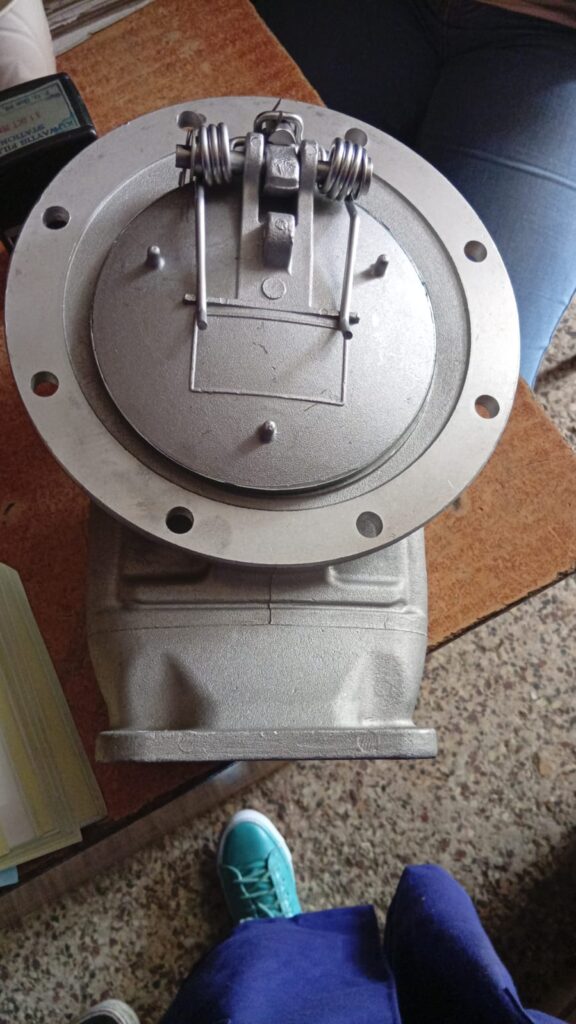
In high-risk industrial environments, safety is not optional—it is essential. One of the most important components used to protect people, equipment, and infrastructure is the Emergency valve. Designed to respond instantly during abnormal or dangerous conditions, the Emergency valve plays a critical role in preventing accidents, minimizing damage, and ensuring uninterrupted safety compliance.
From oil and gas facilities to fuel stations, manufacturing plants, and chemical processing systems, the Emergency valve is a trusted safety solution that delivers dependable performance when it matters most.
What Is an Emergency Valve?
An Emergency valve is a safety-focused valve designed to quickly shut off or control the flow of liquids or gases during emergency situations. It is typically activated automatically by sensors or manually through an emergency control system.
Unlike standard control valves, an Emergency valve prioritizes fast response and fail-safe operation, ensuring immediate isolation of hazardous flow in critical moments.
Why an Emergency Valve Is Essential
Rapid Response to Emergencies
The Emergency valve provides instant flow isolation during fires, leaks, pressure surges, or system failures.
Protection of People and Assets
By stopping the flow of hazardous materials, the Emergency valve reduces the risk of injury, environmental damage, and equipment loss.
Regulatory and Safety Compliance
Many industries require the installation of an Emergency valve to meet safety standards and operational regulations.
How an Emergency Valve Works
An Emergency valve operates by moving to a safe position—usually fully closed—when triggered by an emergency signal or power failure. Depending on the system design, the valve may be operated pneumatically, hydraulically, electrically, or manually.
Most Emergency valve systems are designed with fail-safe mechanisms, meaning they automatically shut off if control power or pressure is lost, providing continuous protection even during system failure.
Key Features of an Emergency Valve
High-quality Emergency valve designs include several critical features:
-
Fast-acting shut-off mechanism
-
Fail-safe operation (fail-close or fail-open)
-
Fire-safe and pressure-resistant construction
-
Durable materials such as stainless steel or carbon steel
-
Compatibility with automation and safety systems
These features ensure reliable performance in demanding environments.
Applications of Emergency Valve Systems
Oil and Gas Industry
The Emergency valve is used in pipelines, refineries, and storage facilities to quickly isolate flow during leaks or fire incidents.
Fuel Stations and Depots
Installed in fuel handling systems to prevent fuel flow during emergencies, protecting both customers and infrastructure.
Chemical and Petrochemical Plants
Controls the flow of hazardous chemicals to prevent spills, explosions, and contamination.
Manufacturing and Industrial Facilities
Used to protect machinery and personnel by shutting down fluid or gas systems during faults.
Benefits of Using an Emergency Valve
Implementing an Emergency valve offers multiple advantages:
-
Enhanced operational safety
-
Reduced risk of fire and explosion
-
Quick isolation of hazardous flow
-
Lower maintenance and downtime costs
-
Long service life in harsh conditions
These benefits make the Emergency valve a critical investment for safety-driven industries.
Types of Emergency Valve
Pneumatic Emergency Valve
Operated using compressed air, ideal for hazardous areas without electrical power.
Hydraulic Emergency Valve
Used in high-pressure systems where hydraulic control is preferred.
Electric Emergency Valve
Activated electronically and easily integrated into automated systems.
Manual Emergency Valve
Provides reliable control where automatic systems are not available.
Installation Best Practices
To ensure effective performance, an Emergency valve should be installed at strategic points within a system, such as near storage tanks, pipelines, or equipment outlets.
Proper labeling, operator training, and regular testing are essential to ensure the Emergency valve responds correctly during emergencies.
Maintenance and Reliability
Although Emergency valve systems are built for durability, routine inspection and testing are necessary. Maintenance ensures that seals, actuators, and control systems remain functional and responsive.
Regular servicing extends the life of the Emergency valve and guarantees readiness when emergency situations arise.
Frequently Asked Questions (FAQs)
What is the main function of an Emergency valve?
The main function of an Emergency valve is to immediately shut off or control the flow of fluids or gases during emergency situations.
Where are Emergency valve systems commonly used?
Emergency valve systems are commonly used in oil and gas facilities, fuel stations, chemical plants, and industrial manufacturing environments.
Does an Emergency valve work during power failure?
Yes. Most Emergency valve designs feature fail-safe mechanisms that activate even during power or pressure loss.
How often should an Emergency valve be tested?
Testing is recommended regularly, often during scheduled safety inspections or maintenance routines.
Is an Emergency valve mandatory in industrial systems?
In many industries, safety regulations require the installation of an Emergency valve to meet compliance standards.
Conclusion
The Emergency valve is a reliable and powerful safety solution that protects people, equipment, and the environment in high-risk industrial settings. Its fast response, fail-safe design, and robust construction make it an essential component in modern safety systems.
By selecting high-quality Emergency valve solutions and maintaining them properly, organizations can ensure compliance, minimize risk, and operate with confidence in even the most demanding conditions.



Reviews
There are no reviews yet.