
7 Powerful Benefits of Reliable Ball Valves for Modern Flow Control
When it comes to controlling the flow of liquids and gases in industrial, commercial, and residential systems, Ball valves are among the most trusted and widely used valve types. Known for their durability, quick operation, and excellent sealing capability, Ball valves offer an efficient and reliable solution for flow control across various applications. From water supply systems to oil and gas pipelines, Ball valves continue to prove their value in modern infrastructure.
What Are Ball Valves?
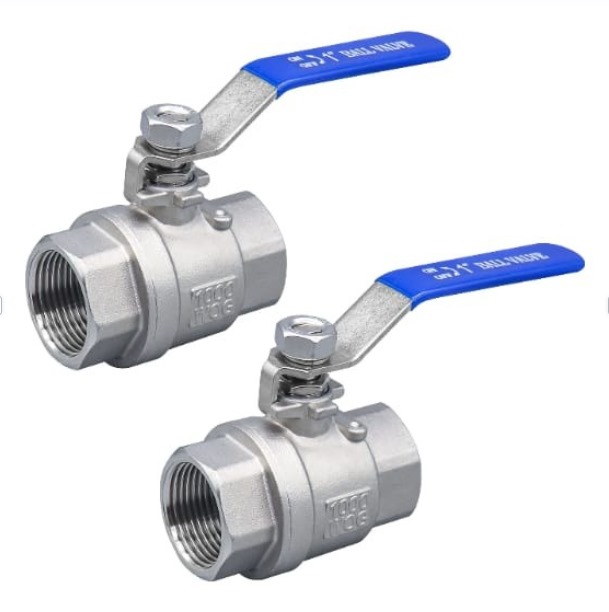
Ball valves are mechanical devices used to control the flow of fluids through a pipeline. They use a rotating spherical ball with a hole through its center. When the hole aligns with the pipeline, flow is allowed; when rotated 90 degrees, the flow is completely shut off.
Because of their simple design and tight sealing properties, Ball valves are preferred for applications that require quick shut-off and minimal leakage.
How Ball Valves Work
Ball valves operate using a quarter-turn mechanism. The handle or actuator turns the ball inside the valve body, either opening or closing the flow path. This simple operation allows for fast response and precise control.
Most Ball valves provide full-bore flow, meaning the internal diameter of the valve matches the pipeline, resulting in minimal pressure drop and efficient fluid movement.
Key Features of Ball Valves
High-quality Ball valves are designed with performance and longevity in mind. Common features include:
-
Quarter-turn operation for fast opening and closing
-
Tight shut-off sealing to prevent leakage
-
Low maintenance requirements
-
Durable construction materials such as brass, stainless steel, or carbon steel
-
High pressure and temperature tolerance
These features make Ball valves suitable for both simple and demanding applications.
Applications of Ball Valves
Industrial Applications
Ball valves are widely used in manufacturing plants, chemical processing facilities, and power generation systems to control water, steam, gas, and chemicals.
Oil and Gas Industry
In oil and gas pipelines, Ball valves provide reliable shut-off and flow control under high pressure and temperature conditions.
Water Supply and Plumbing
Ball valves are commonly installed in water distribution systems and residential plumbing due to their leak-free performance and ease of use.
HVAC Systems
In heating, ventilation, and air conditioning systems, Ball valves help regulate fluid flow for efficient temperature control.
Benefits of Using Ball Valves
Choosing Ball valves offers numerous advantages:
-
Excellent sealing performance
-
Long service life
-
Fast and easy operation
-
Minimal pressure loss
-
Versatility across multiple industries
These benefits contribute to improved system efficiency and reduced downtime.
Types of Ball Valves
Floating Ball Valves
The ball is supported by valve seats and moves slightly under pressure to create a tight seal.
Trunnion Mounted Ball Valves
Used in high-pressure applications, these valves support the ball with trunnions for enhanced stability.
Full Port and Reduced Port Ball Valves
Full port valves allow maximum flow, while reduced port valves offer compact design and cost efficiency.
Materials Used in Ball Valves
Ball valves are manufactured using various materials depending on the application:
-
Brass Ball valves – Ideal for water and air systems
-
Stainless steel Ball valves – Suitable for corrosive and high-temperature environments
-
Carbon steel Ball valves – Used in heavy-duty industrial applications
Selecting the right material ensures performance and longevity.
Maintenance and Reliability
One of the major advantages of Ball valves is their low maintenance requirement. With proper installation and periodic inspection, Ball valves can operate efficiently for many years without performance issues.
Regular checks of seals and handles help maintain reliable operation and prevent unexpected failures.
Why Ball Valves Are a Smart Investment
From small plumbing systems to large industrial pipelines, Ball valves offer a reliable and cost-effective solution for flow control. Their ability to provide tight shut-off, combined with ease of operation, makes them a smart choice for both new installations and system upgrades.
Frequently Asked Questions (FAQs)
What are Ball valves commonly used for?
Ball valves are used to control the flow of liquids and gases in plumbing, industrial, oil and gas, and HVAC systems.
Are Ball valves better than gate valves?
Ball valves provide faster shut-off and better sealing compared to gate valves, making them ideal for on/off applications.
Can Ball valves be used for high-pressure applications?
Yes, especially trunnion-mounted Ball valves, which are designed for high-pressure and high-temperature systems.
How long do Ball valves last?
With proper maintenance, Ball valves can last for many years, even in demanding environments.
Do Ball valves require frequent maintenance?
No. Ball valves are known for low maintenance due to their simple and durable design.
Conclusion
Ball valves remain one of the most efficient and reliable solutions for fluid control. Their durable construction, quick operation, and excellent sealing make them indispensable across multiple industries. By choosing high-quality Ball valves, businesses and homeowners alike can ensure safe, efficient, and long-lasting system performance.



Reviews
There are no reviews yet.